

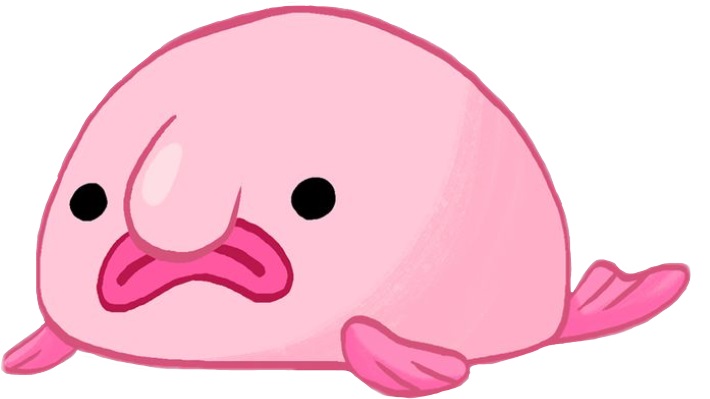
What a strange statement you say? Let me explain, a blobfish doesn’t have a strong skeleton, instead it has soft cartilage and relies on water pressure to hold its shape together. For sporting clubs, the constitution is like a skeleton, it outlines the structure of the club, provides a framework for decision-making, ensures compliance with legislation, and like bones that protect crucial organs, this foundation document protects the interests of the club. When it comes to the constitution, you want to make sure you get it right to effectively run your sporting club.
What is a Constitution?
A constitution are the ‘rules’ of how the organisation is structured, the purpose and the overarching governance framework. It is a requirement for Incorporated Associations to lodge their constitution with the relevant state government department and must contain specific information (refer to your state government department for details).
Why is it Important?
If you were to take a blobfish out of the ocean depth and bring it to the surface it would lose its shape. However, if it had a skeleton, like many other fish, it would retain its form when its environment changed. Clubs want to make sure that their constitution can hold its shape when faced with challenges and can protect the interests of members and stakeholders alike. Some clubs have faced costly legal battles as a result of poorly structured constitutions.
Storing the Constitution

Some constitutions sit in the bottom of a ‘filing cabinet’ only to be brought out close to the Annual General Meeting (AGM) or are never looked at, nor reviewed. I was working with one club where nobody had a copy or knew where to find it. In fact, when they called the state government department that manages constitutions, the constitution was so old it was on microfiche and the Public Officer listed was last involved with the club some 21 years ago. Needless to say, they were advised to develop a new one.
The good news is that you don’t have to start from nothing. There are model constitutions and templates available that can serve as a starting point for your club (example from Office for Recreation and Sport in South Australia). Fill in the blanks, ensure your constitution aligns with state and national sporting organisation requirements and complies with your state or territories legislation.
Clubs need to ensure their constitution is stored in a central location and is accessible. In other words, don’t have it stored on someone’s personal computer. Central document storage is best practice with document control measures in place. Most clubs store the current constitution on the club’s website. If you cannot find the constitution you can, at a cost, obtain the latest registered version from the relevant state government department.
Constitution v Bylaws
The constitution and bylaws should be two separate documents as they serve different purposes and have different requirements. So, what is the difference?
Think of the constitution as the high-level foundation document that outlines the governance structure and overall direction of your club. It’s a document that allows your club to be incorporated as a legal entity and must be lodged with the relevant state government department.
Bylaws, on the other hand, is a lower-level document that focuses on operational details. They outline regulations and policies within the club, often used to enforce specific rules or guidelines. While they can be amended more easily than a constitution, they still require careful consideration to ensure consistency with other relevant documents.
How to Review and Update your Constitution
Every 2-3 years start by:
- Checking if it complies with relevant legislation (you could cross check it against the most up to date model club constitution template). Please note there may be differences between states in Australia so try to find one that is relevant to your state or territory.
- Gather feedback from members and stakeholders to identify any areas for improvement.
- Review current Sport Governance Best Practice. For example, 5-9 is the ideal number of board members and you should stagger the tenures.
- Look for anything confusing, contradictory, or ambiguous. Consider any relevant issues that have arisen since it was last reviewed that may need revising. Does anything not make sense?
- Is anything not working? For example, quorum requirements, if you are constantly not meeting the quorum to hold a meeting does this need to change? Normally it is 50% of the members + 1. How do you define members? Does this include juniors? What are you membership categories? Do these need reviewing?
- Check for inconsistencies with other relevant documents such as bylaws or policies at club, state, or national level.
Within the constitution it should state how it can be changed, usually this occurs at the AGM and are voted on by members. Members should be provided with the proposed changes in advance. Once members accept the proposed changes the updated constitution should be lodged with the relevant state government department within a specified period of time. For example, in South Australia it needs to be lodged within one month.
Conclusion
Don’t let your constitution be a blobfish and just lie around on the sea floor, make sure it has bones and supports your club now and into the future.
Check out The Octonauts talking about the Blobfish.
 Keystone Sporting Solutions